The Modern Age

  • | |

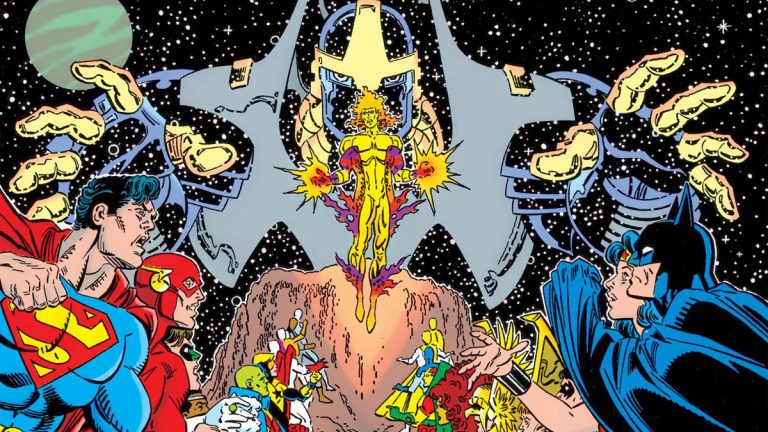
    Armageddon 2001 Reading Order & Review: Who’s Monarch? (1991)

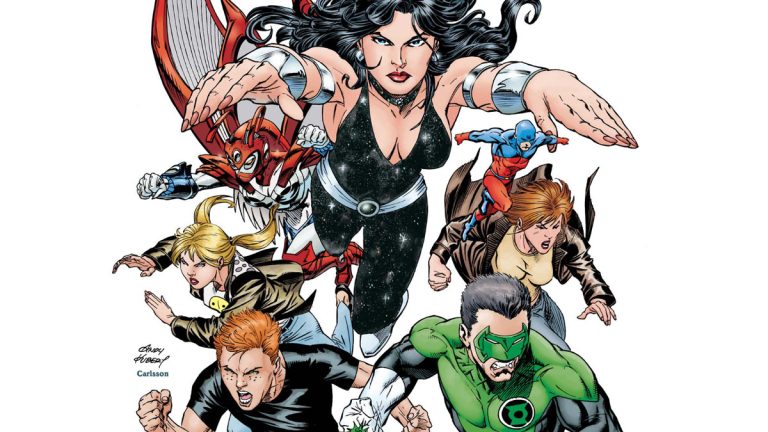
    1991. While DC Comics was launching the Wonder Woman-related War of the Gods crossover event, another, less impressively scaled one was coming to a close: Armageddon 2001. It was one of those events published across many annuals. These tend to be forgotten, but this one was surrounded by enough controversy over its conclusion to leave its mark on comics history as a case study in how not to deal with your ending leaking in the press.

    Created by writer Archie Goodwin and artist Dan Jurgens and brought to a close by editor and writer Dennis O’Neil, this event introduced several notable characters, making it hard for DC fans (and completists) to miss. Despite the controversial ending, Armageddon 2001 had a strong concept to begin with that would easily satisfy fans of Elseworlds stories. So let’s take a closer look (and in order, please)!

    Read More “Armageddon 2001 Reading Order & Review: Who’s Monarch? (1991)”
  • Green Lantern Case File: Emerald Twilight (1994) – The Fall of Hal Jordan (Review + Reading Guide)

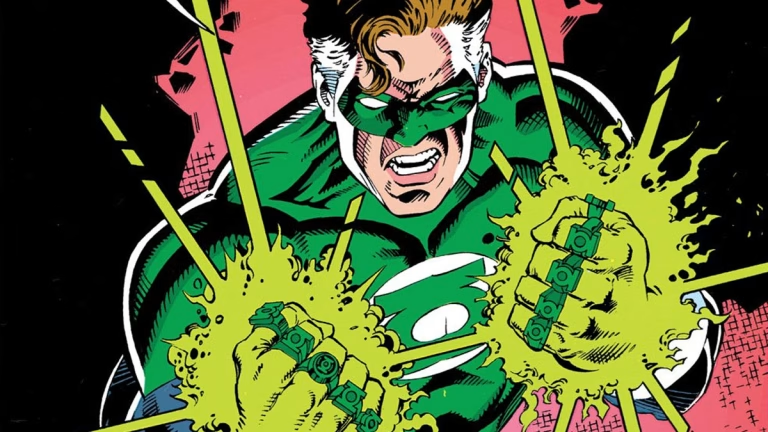
    It all started at the end of the “Reign of Supermen” saga, in 1993. Mongul decimated Coast City (in Green Lantern #46!). Hal Jordan’s hometown and everyone in it were a thing of the past, and Earth’s Green Lantern wasn’t ready to let anything go.

    This catastrophic event paved the way for what was one of the most controversial storylines in time: Emerald Twilight. A hero broke bad, lost his mind, and committed horrible acts of violence. This story, written by Ron Marz with art by Bill Willingham, Fred Haynes, and Darryl Banks, opened the way for a new Green Lantern, Kyle Rayner, while Hal Jordan became the cosmic threat Parallax. It’s now considered a classic, so let’s dig into it!

    Read More “Green Lantern Case File: Emerald Twilight (1994) – The Fall of Hal Jordan (Review + Reading Guide)”
  • A Complete Batman Post-Crisis Reading Order a.k.a. The Modern Age (Work in Progress)

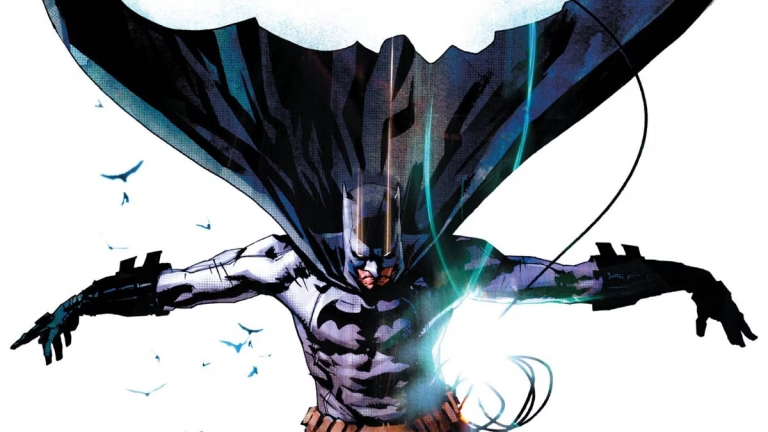
    Welcome to the world of the Dark Knight. Undeniably one of DC Comics’ most popular characters, Batman has a long and editorially complex history. With a blog like DC Casebook, it’s hard not to go through the biggest case of all: the ultimate Batman Reading Order. And by Ultimate, I mean a Bat-Family Reading Order. While most of the similar works are focused on Batman alone, because sane people are making them, I have the crazy ambition to cover the whole extended family. Which makes this project even more complicated.

    It will take time. I’m talking about years. But I will eventually compile my own version of a complete reading guide for Batman. For now, it’s very much a Work in Progress! So, let’s begin with the Batman Post-Crisis era, also known as the Modern Age.

    Read More “A Complete Batman Post-Crisis Reading Order a.k.a. The Modern Age (Work in Progress)”
  • |

    Countdown to Final Crisis Reading Order: The Year the Multiverse Fractured

    Published between 2007 and 2008 by DC Comics, Countdown to Final Crisis was designed as the weekly lead-in to Final Crisis, following in the publishing model established by 52. Running for 51 issues, the series attempted to lay the groundwork for the next major crisis in the DC Universe while following multiple parallel storylines involving cosmic threats, multiversal instability, and several major DC characters.

    Things didn’t turn out as well as with 52. It was a massive editorial blunder. As Grant Morrison explained it at the time: “Final Crisis was partly-written and broken down into rough issue-by-issue plots before Countdown was even conceived, let alone written.” But despite that, the writing led by Paul Dini seems to lack enough details to not contradict what would eventually happen in Final Crisis. As a result, plotlines in Countdown had diverged so much that continuity between the two publishing initiatives became partly nonsensical. Some elements complement Final Crisis and add a greater understanding of the end story, but most do the opposite. Characters who died end up alive (and are killed again), and whole storylines are redone in Final Crisis, and the overall tone doesn’t fit. If you add to that Death of the New Gods by Jim Starlin, to which Countdown began to respond before veering away from it, the confusion became maddening.

    Today, Countdown to Final Crisis is a complicated affair to deal with for readers. If you are a completist, you can’t skip it. Idem if you are trying to follow some secondary characters. Ultimately, this is widely considered to be non-canonical.

    Read More “Countdown to Final Crisis Reading Order: The Year the Multiverse Fractured”
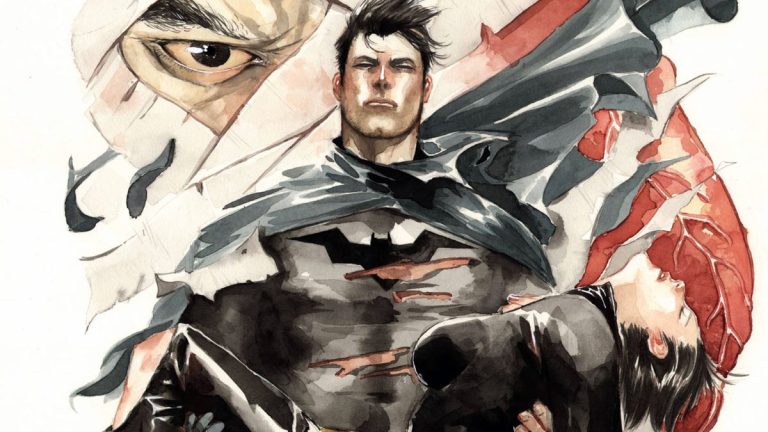
  • The Batman Case Files: Scott Snyder’s Batman: The Black Mirror (Review)

    If you revisit Batman’s adventures as the Modern Age was about to end, you realise the New 52 reboot wasn’t planned too far in advance. Even in late 2010, mere months before the end of the era, many storylines were being set in motion to take the characters in new, intriguing directions.

    It was a time when Bruce Wayne was doing some globe-trotting, recruiting more Batmen throughout the world to fight an impending menace as well as helping local vigilantes stop criminals. At home, in Gotham City, Dick Grayson was Batman, patrolling familiar rooftops alongside his Robin, Damian Wayne.

    It was then that writer Scott Snyder made his DC Comics debut on Detective Comics, working with artists Jock and Francesco Francavilla. Now simply known as “The Black Mirror”, his 11-issue run showed he had what it takes to go further, and this led him to become Batman’s lead writer during The New 52. So, let’s take a look at his early work in the Dark Knight universe.

    Read More “The Batman Case Files: Scott Snyder’s Batman: The Black Mirror (Review)”
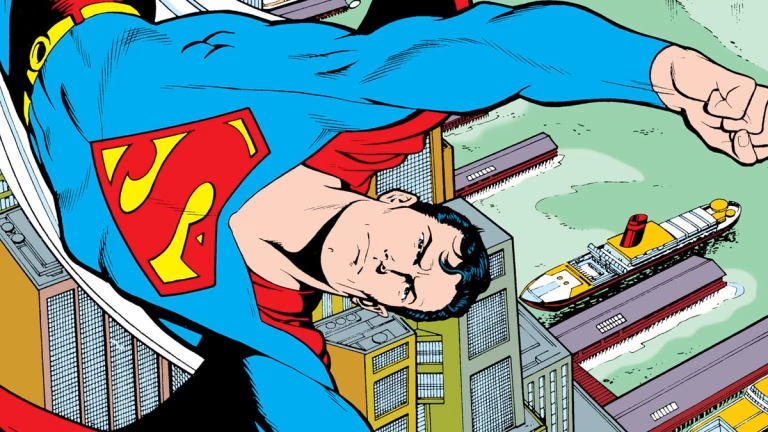
  • Is John Byrne’s Superman Still Good? A 2026 Retrospective Review

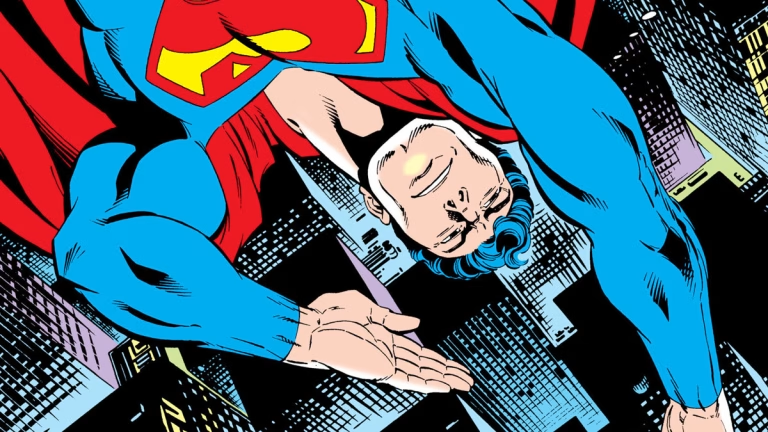
    In 1986, John Byrne undertook the challenging project of reimagining Superman as a relatable contemporary figure. This involved making some controversial decisions. He abandoned the optimism of the Silver Age in favour of a more psychologically grounded interpretation, shaped by the cultural logic of the 1980s. It was criticized by some for being Superman for adults. Four decades later, does it still resonate, or was it purely a product of its time?

    While later interpretations have emphasized Superman as a near-mythical ‘space god’, Byrne’s work is the most notable ‘human-first’ reimagining of the character. It established the modern Lex Luthor and a proactive, credible Lois Lane, but it also led to a Superman who violated his own moral code in a conclusion that remains controversial. Whether regarded as a necessary modernization or a fundamental misreading of the character, Byrne’s influence continues to shape virtually every screen adaptation of Superman.

    Although I have read DC Comics for decades, I was never particularly interested in Superman. To broaden my understanding of the character, I approached this landmark series from a contemporary perspective. So, in this review, we’re looking past the nostalgia.

    Read More “Is John Byrne’s Superman Still Good? A 2026 Retrospective Review”
  • Legends (1986) Reading Order: The First Post-Crisis Crossover

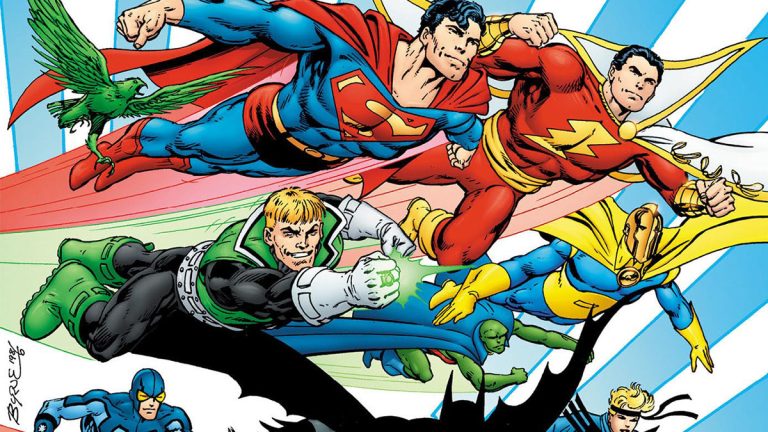
    In 1986, DC Comics was fresh off the success of Crisis on Infinite Earths. It was a new era with a rebooted universe. After that, the question was: What next? The answer seems to have been “another crossover event.”

    Before we got the Legends we know today, there was “Crisis of the Soul.” This scrapped 12-issue project was designed to show a world turning on its heroes through spiritual corruption. Though canceled after months of development, some of his ideas survived. In August 1986, editor Mike Gold and a star-studded creative team launched Legends. It wasn’t a sequel to Crisis, but an “introduction” to the modern DC Universe.

    Read More “Legends (1986) Reading Order: The First Post-Crisis Crossover”
  • DC Comics History: Following the Dark Road of the Modern Age

    It’s never easy to pinpoint the exact beginning and end of an era in the history of comics. The conclusion of the Bronze Age and the start of the Modern Age is no exception. It was a transition that occurred as much on the pages of the comics as in the shops, the convergence of multiple publishing efforts and editorial decisions that changed the way comics were sold and read, but also the stories they were allowed to tell.

    Dark, British, Violent, and Paperbacks, it’s 1980s DC Comics

    The key change that occurred in the comic book industry that DC Comics quickly embraced was the emergence of the Direct Market. Consumers were not buying their comics in the newsstands, they started going to comic book shops instead. Also, the old readers were going nowhere and wanted more mature books.

    DC President Jenette Kahn looked for new ways to develop the DC Comics brand with new lines, unexpected licensing deals, and by recruiting emerging talents and allowing them to make their mark. That’s how Frank Miller came and made Ronin, then pushed DC into its dark era with The Dark Knight Returns. This violent story about an old Batman coming back to fight crime in an alternative politicized future was a comic book for adults, an instant success that started to change the creative direction of the company, but also its economic model. It was the book that incited the creation of the DC line of paperbacks, making it available long after its original publication.

    Read More “DC Comics History: Following the Dark Road of the Modern Age”
  • The Man of Tomorrow, Reborn: A Deep Dive into John Byrne’s Superman (1986-1988)

    In the mid-1980s, Superman was in trouble. Decades of ‘Silver Age’ excess, such as super-dogs, pocket dimensions, and limitless powers, had made the Man of Steel feel both invincible and rather out of touch with the times. Following the universe-shaking ‘Crisis on Infinite Earths’, DC Comics did the unthinkable and recruited Marvel superstar John Byrne to rewrite Superman’s mythology.

    The result was a fundamental shift in perception that still influences how we view Clark Kent today. Whether you are an avid collector or a new reader exploring these issues in digital archives, Byrne’s work remains the definitive ‘modern’ starting point.

    Read More “The Man of Tomorrow, Reborn: A Deep Dive into John Byrne’s Superman (1986-1988)”
  • |

    The Batman Case Files: Paul Dini’s Run, From Heart of Hush to Gotham City Sirens (Review and Reading Order)

    Known to Batman fans for his award-winning work on Batman: The Animated Series, Paul Dini also left a mark on the character’s comic book history. Running parallel to Grant Morrison’s Batman epic from 2006 to 2011, Dini’s work across Detective Comics, Batman: Streets of Gotham, and Gotham City Sirens explored a different side of Gotham City, with a stronger focus on its criminal underworld.

    It was the time when the Riddler was rehabilitated into a legitimate private investigator, Hush made his violent comeback, a new Ventriloquist was introduced, Harley Quinn was getting away from the Joker, and more things I’m going to explore in this tentatively comprehensive guide breaking down Paul Dini’s run in which Batman had to use his talents as the World’s Greatest Detective.

    Read More “The Batman Case Files: Paul Dini’s Run, From Heart of Hush to Gotham City Sirens (Review and Reading Order)”