
DC Comics History: Following the Dark Road of the Modern Age
It’s never easy to pinpoint the exact beginning and end of an era in the history of comics. The conclusion of the Bronze Age and the start of the Modern Age is no exception. It was a transition that occurred as much on the pages of the comics as in the shops, the convergence of multiple publishing efforts and editorial decisions that changed the way comics were sold and read, but also the stories they were allowed to tell.
Dark, British, Violent, and Paperbacks, it’s 1980s DC Comics
The key change that occurred in the comic book industry that DC Comics quickly embraced was the emergence of the Direct Market. Consumers were not buying their comics in the newsstands, they started going to comic book shops instead. Also, the old readers were going nowhere and wanted more mature books.
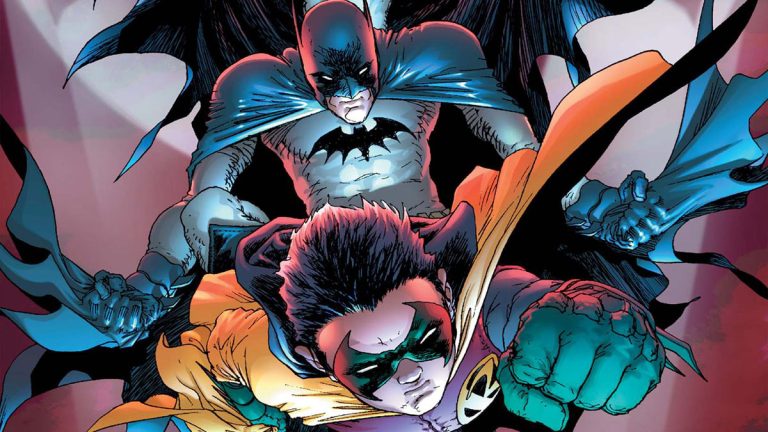
DC President Jenette Kahn looked for new ways to develop the DC Comics brand with new lines, unexpected licensing deals, and by recruiting emerging talents and allowing them to make their mark. That’s how Frank Miller came and made Ronin, then pushed DC into its dark era with The Dark Knight Returns. This violent story about an old Batman coming back to fight crime in an alternative politicized future was a comic book for adults, an instant success that started to change the creative direction of the company, but also its economic model. It was the book that incited the creation of the DC line of paperbacks, making it available long after its original publication.
It also happened with great success with Alan Moore and Dave Giddons’s Watchmen. Moore arrived at DC Comics and immediately introduced his unique style and talents by making Swamp Thing a darker and more complex title. Watchmen originated from the old DC Comics habit of revamping forgotten properties, but what Moore and Gibbons introduced was too radical for him to use the Charlton comics characters he was tasked with reanimating. Instead, they created an original maxi-series that won acclaim beyond the world of comics and became the first comic to win a Hugo Award. And became like The Dark Knight Returns, a continuing success in paperback.
On the main line, the maxi crossover event Crisis on Infinite Earths, the most ambitious editorial project ever developed at the time, was spearheaded by editor Len Wein, writer Marv Wolfman, and artist George Pérez. The idea was to destroy the continuity to start over. A new DC Universe emerged from it, one with a changed Superman reimagined by writer-artist John Byrne, a revamped Wonder Woman by George Pérez, and a vast panel of heroes that found different voices, forms, and types of story to seduce the growing customer base of the comic book shops.

The British Invasion, The Bergerverse: DC Comics has Vertigo
Alan Moore was the first British writer through the door, but certainly not the last. What eventually became known as the British Invasion came from editor Karen Berger’s ambition to expand the scope of stories told in comics. She was charged with bringing British talents to DC Comics and recruited some who became the biggest names in the industry for a time.
Jamie Delano came to write Hellblazer, the John Constantine series, which spun off from Swamp Thing. Neil Gaiman and artist Dave McKean started with revamping the Black Orchid. Peter Milligan worked on a new Shade, the Changing Man series. And Scottish writer Grant Morrison reimagined Animal Man. A lot of artists like Brian Bolland, Dave Gibbons, Alan Grant, Brendan McCarthy, Glenn Fabry, Steve Dillon, and Philip Bond also made their debut in the American comic book industry. Later, Bryan Hitch, Mark Millar, Warren Ellis, Garth Ennis, John Bolton, Mark Buckingham, Paul Neary, Paul Jenkins, and Lee Elias were added to the list of British talents working for DC.
After Moore, Neil Gaiman is the one who had the biggest influence on the medium at the time. His Sandman series found a big success as a graphic novel collection that touched a new audience, notably young women who normally didn’t care for comics.
For a time, all the books edited by Karen Berger were supposed to be part of the regular DC Universe, but they felt too different and became known as the Bergerverse. Those titles would eventually go through a rebranding, becoming part of the Vertigo Imprint. This change amplified Berger’s editorial practices, emphasizing the author’s voice and encouraging challenging work. It was a success, especially on the graphic novel market.
Milestone Comics was another ambitious imprint, one dedicated to African-American artists (Dwayne McDuffie, Denys Cowan, Michael Davis, and Derek Dingle) creating their own superhero universe. It was ambitious, but the market was not as receptive as expected. Still, the Milestone characters didn’t disappear, Static Shock even had a successful animated TV Show.
Batman on the Screen, Superman in the Grave
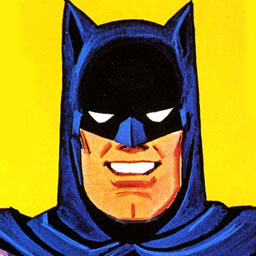
The DC Comics animated world became the high standard of animation on TV started with Batman: The Animated Series in 1992. Creatively, it was in the continuity of the successful 1989 Batman movie directed by Tim Burton. Dark, Gothic, and unlike the 1966 TV Show, this live-action version of the Cape Crusader was one of the biggest entry points in the DC Universe for a new generation of readers who flocked to the comic book shop after watching the movie, and this time, they found comic books that felt similar to what they loved on the screen. It’s probably why the impact on the sales didn’t fade away soon after the movie did.
After the second film, Batman got his animated show, and television became an important element of DC Comics’ identity. The marriage of Superman and Lois Lane was even done at the same time in the comics and on screen, in the show Lois & Clark.
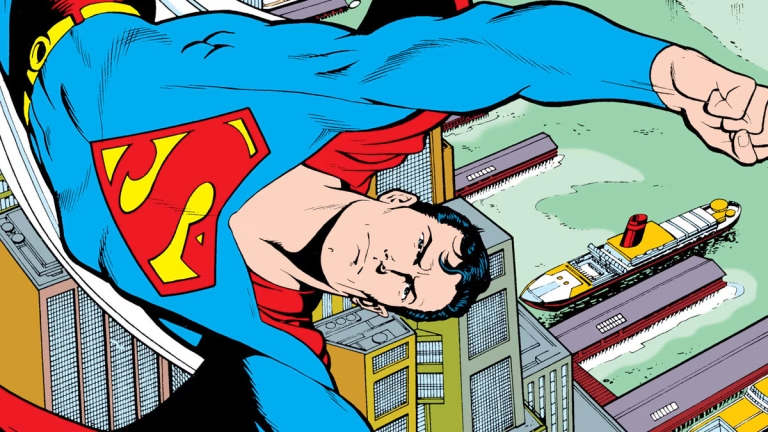
This had required a lot of work. In the shops, even during the “triangle era” with Superman, Action Comics, and Adventures of Superman all linked together (and numbered for clarity) to boost sales, the numbers were not growing. So, Superman needed to make a splash and, as a result, he was killed! Hard to get married once dead, but the paperback reprint of The Death of Superman became a massive hit.
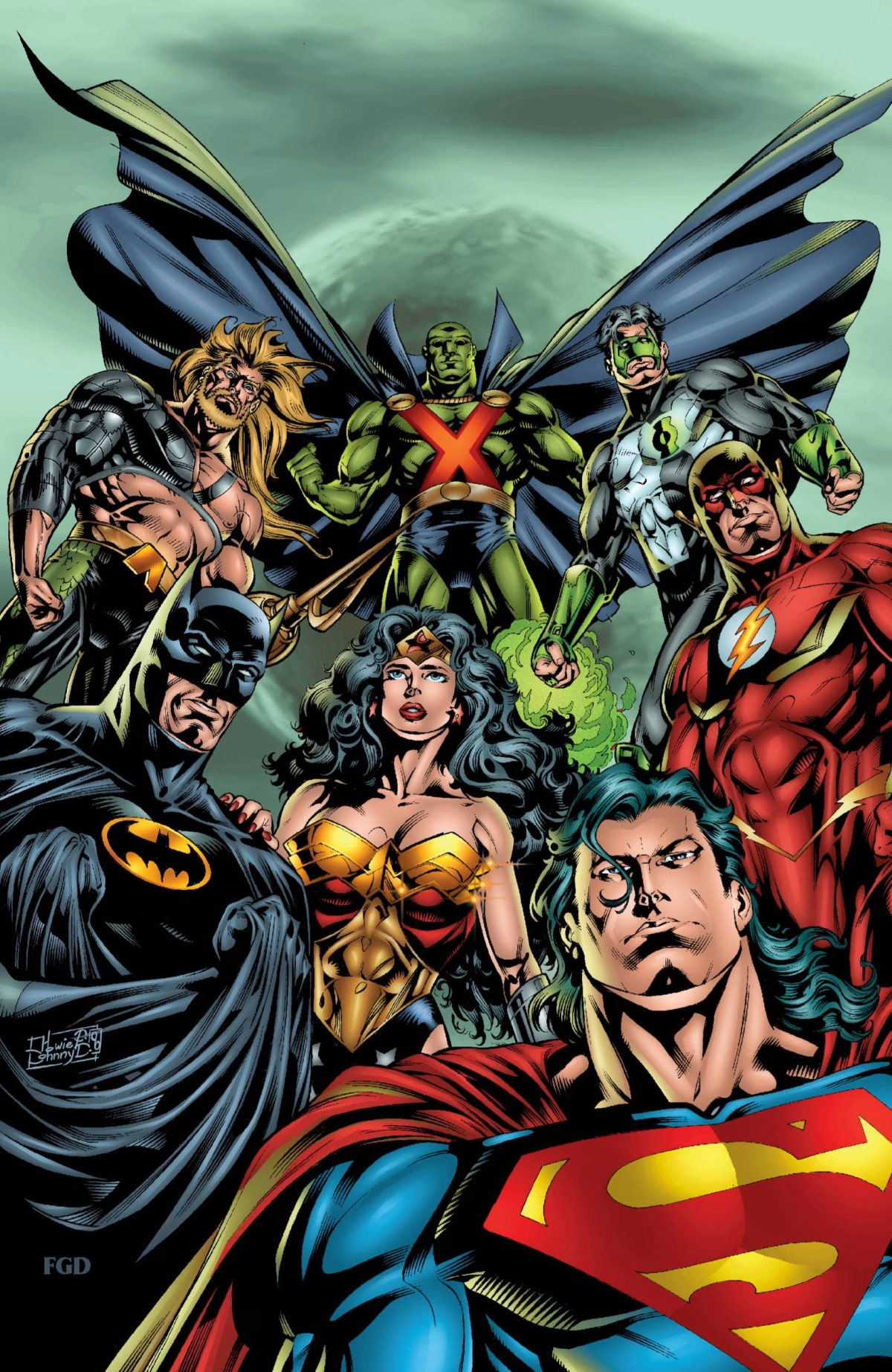
Superman was killed, buried, and resurrected. He later became electric, for a little while. During that time, he had joined the roster of the newly relaunched Justice League of America (JLA) by Grant Morrison and Bryan Hitch. After years of struggling, the league regained its glory.
An era of Crisis
After 26 years with DC, Jenette Kahn left the company in 2002, and Paul Levitz took over. The same year, Dan DiDio joined the company as vice president–editorial. Less than two years later, he was promoted to vice president–executive editor. Coming from the world of television, DiDio came with a different approach. He wanted to make the world of DC feel even more connected, and this led to yearly (often controversial) crossover events full of tie-ins that involve every superhero available. This means even more “Crisis” events like Identity Crisis, Infinite Crisis, and Final Crisis. He also went in the opposite direction with individual projects out of continuity, including the very popular All-Star Superman from Grant Morrison and Frank Quitely.
In 1998, wanting a change in the way he worked, Jim Lee left Image Comics and sold his company, Wildstorm Studios, to DC Comics. He took a leading role in the editing team, but also went back to drawing comics. His collaboration with writer Jeph Loeb on Batman: Hush became an instant commercial success.
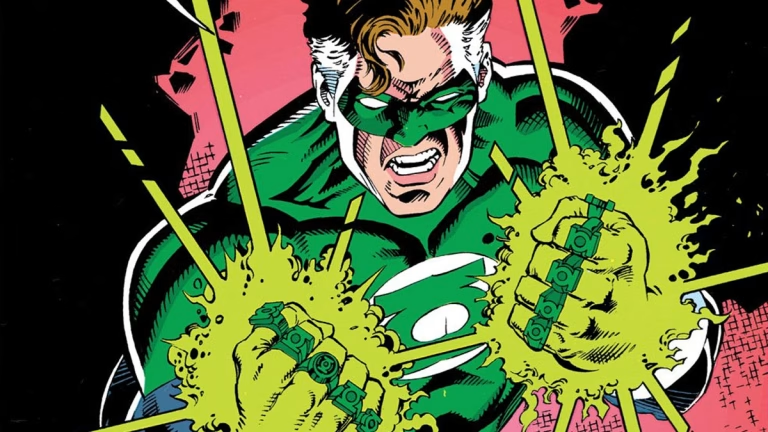
Making a more discreet entry in the world of DC Comics, Geoff Johns started by collaborating with James Robinson and David Goyer on “The Justice Society Returns,” before creating his first series for the company, Stars & S.T.R.I.P.E.S., in which he introduced Courtney Whitmore, who will eventually become known as Stargirl, a character based on his sister who had died in a plane crash. Johns quickly became one of the most important writers at DC, especially after his Green Lantern Rebirth mini-series brought back Hal Jordan and opened the way for a successful run on the title that will impact the whole DC Universe.
Based on a property from DC Comics
As the 2000s went on, while a new generation of titles like Brian K. Vaughan and Pia Guerra’s Y: The Last Man and Bill Willingham’s Fables (mostly drawn by Mark Buckingham) had brought new successes at Vertigo, John Constantine became the first character from the imprint to be adapted on the big screen. Since the early 1990s, DC Comics successfully transposed its catalogue of heroes into other media, something that will eventually change the company as a whole.
DC Animation was also continuing its development with new TV series like Teen Titans, Justice League Unlimited, The Batman, and more. The live-action TV series Smallville introduced its version of Superman’s mythology to a new audience while Brandon Routh replaced Christopher Reeve as the Man of Steel on the big Screen in Superman Returns. But the true cinematic success of the decade was not up in the sky, it was Christopher Nolan’s Batman movies. It was a popular and creative success, like Grant Morrison’s run on the character. Both had a big impact on DC Comics.
The movie adaptation of Watchmen was not a box office hit, but it helped sell the collected edition of the comics in very large quantities (hitting the NYT best sellers list). But the type of success a movie like The Dark Knight brought was a true game-changer as Warner Bros decided it was time for DC to become fully integrated into Warner Entertainment. And thus, DC Entertainment was created. Paul Levitz left and was replaced by Diane Nelson as the new president of the company. Jim Lee and Dan DiDio were named co-publishers while Geoff Johns became chief creative officer. Together, they worked on rebooting the DC Universe, plotting the end of the Modern Age with a Flashpoint event that created the New 52 era.
This article was written with the help of 75 Years Of DC Comics: The Art Of Modern Mythmaking by Paul Levitz, published by Taschen.